The most reliable statewide number comes from UC Berkeley’s Terner Center, which surveyed California ADU owners in 2021. The median ADU cost $150,000 to build, about $250 per square foot. Costs ran higher in the Bay Area, where the median was $177,500 ($329 per square foot). Across the state, 37 percent of owners spent under $100,000 and 71 percent spent under $200,000.
Those figures are from 2021, and building costs have gone up since, so treat them as a floor rather than a quote. What your ADU costs depends mostly on three things: the type of ADU, your lot, and the fees your city is allowed to charge.
Cost by type of ADU
| Type | What it is | Cost compared with the others |
|---|---|---|
| Junior ADU (JADU) | Up to 500 sq ft inside your existing house, which can include an attached garage | Usually the lowest. The walls and roof are already there, and JADUs are exempt from impact fees. |
| Garage conversion | An existing garage turned into a separate unit | Low to moderate. You reuse the structure, but plumbing, insulation and windows add up. |
| Attached ADU | New space built onto the house | Moderate to high. It’s new construction tied into the existing house. |
| Detached, site-built | A new standalone unit built from scratch on your lot | Usually the highest per square foot. Everything is built on site. |
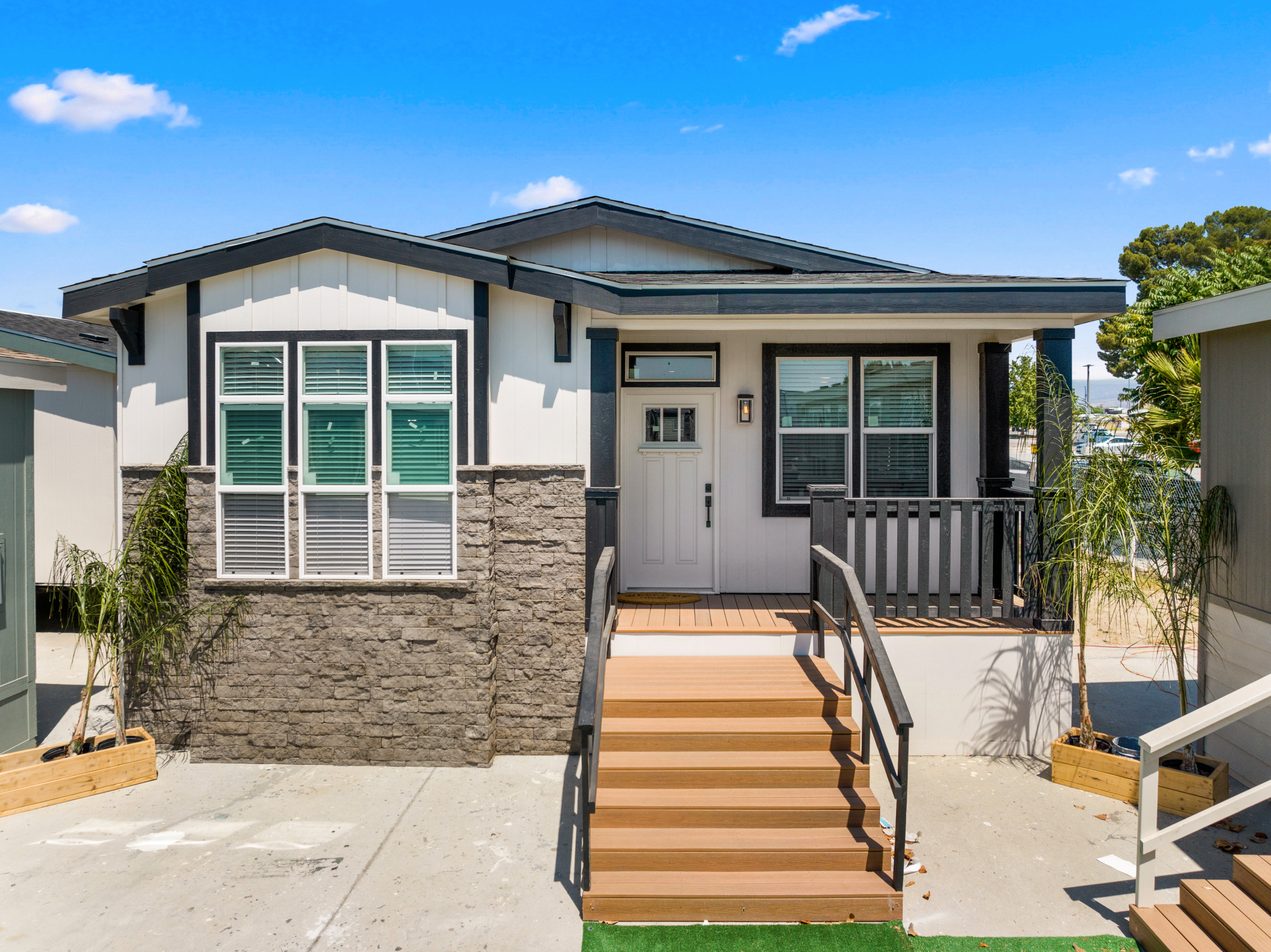
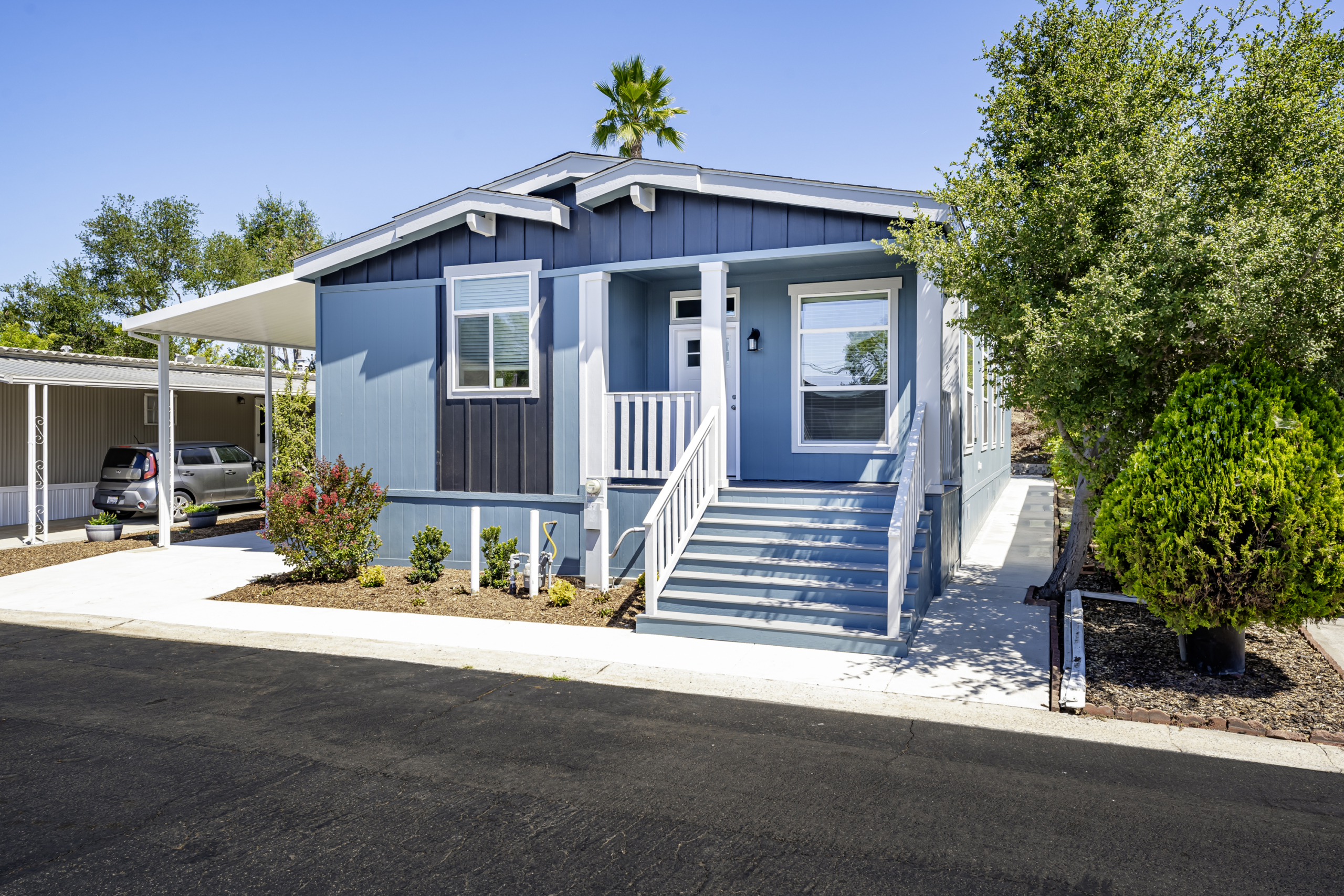
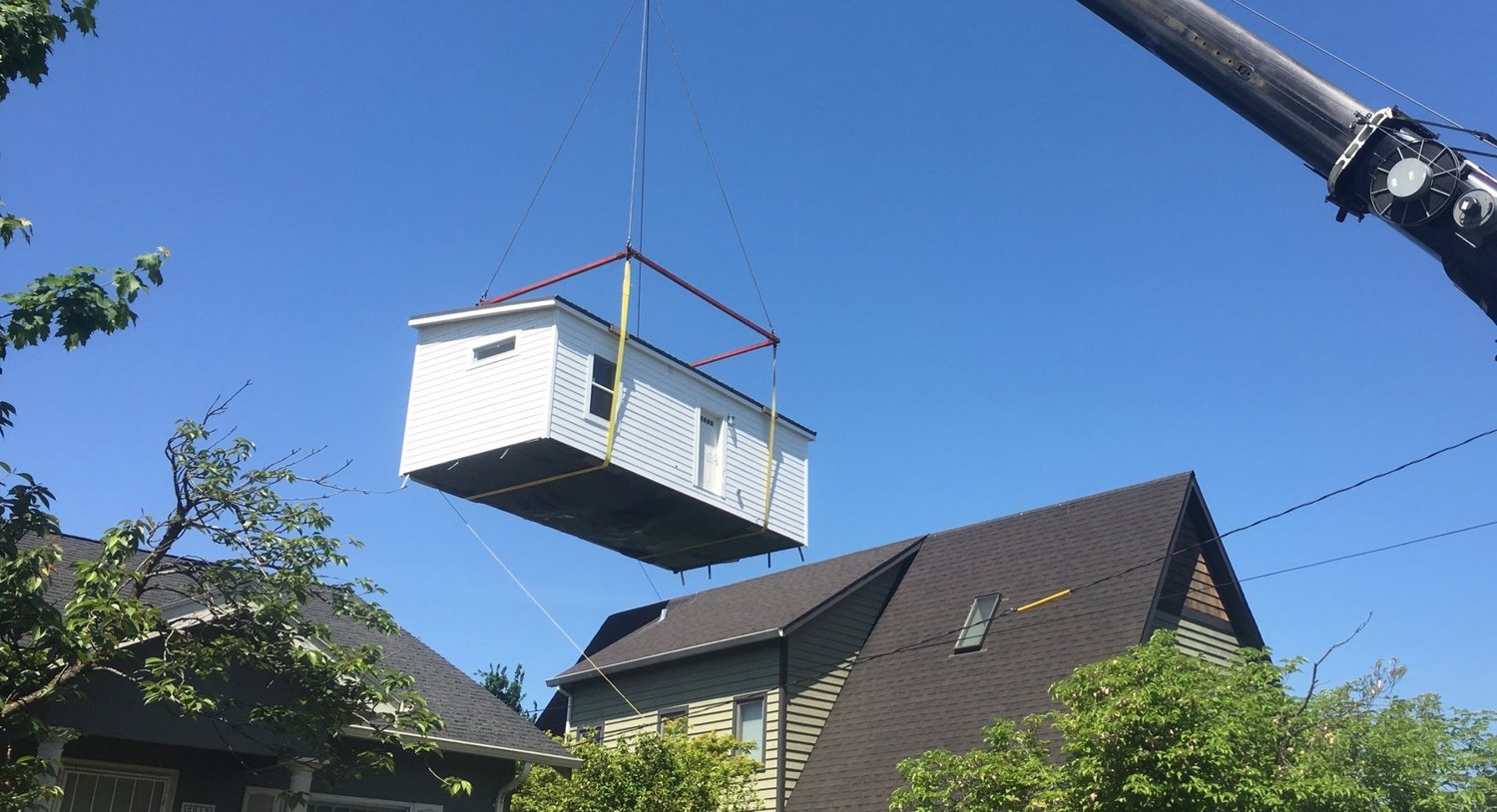
| Detached, manufactured or factory-built | A home built in a factory and set on your lot | Often less than site-built, because the unit is built on a fixed schedule in a controlled setting. Delivery, foundation and utility work still apply. |
Where the money goes
The unit itself is only part of the bill. For any detached ADU, plan for:
- Feasibility and design. Finding out what your lot allows, then plans and engineering.
- Permits and fees. Plan check and building permit fees, plus any impact and school fees the law allows (see below).
- Site work. Grading, a foundation, and access for delivery or construction.
- Utilities. Running water, sewer and power to the unit. If your electrical panel is near capacity, it may need an upgrade.
- The unit and finishes. The home itself, plus anything finished on site like decks, steps and landscaping.
Site work and utilities are where two similar ADUs end up with very different budgets. A flat lot with the sewer line close by costs far less to build on than a slope with a long utility run. That’s what our feasibility study is for: a parcel-level look at zoning, utilities and access, with a preliminary budget, before you commit.
Fees and state law
California has limited what cities can charge for ADUs and how they can slow them down. As of HCD’s April 2026 fact sheet:
- No impact fees under 750 square feet. Cities can’t charge impact fees on an ADU under 750 square feet, or on a JADU. For a larger ADU they can, but only in proportion to its size compared with the main house.
- School fees above 500 square feet. School districts are allowed, but not required, to charge fees on ADUs over 500 square feet.
- Size is measured inside. Since SB 543 (2025), ADU size limits apply to interior livable space.
- Room to build. A city can’t cap ADUs below 850 square feet, or 1,000 square feet with more than one bedroom, and can’t require side and rear setbacks over four feet for a new ADU.
- Staff-level approval. In residential zones, an ADU that meets the city’s objective standards is approved by staff without a public hearing. The city must decide whether your application is complete within 15 business days.
- Parking. A city can’t require more than one parking space per ADU, and can’t require any for some ADUs, such as those within half a mile of public transit or converted from existing space. Replacing a garage doesn’t trigger replacement parking.
Fee exemptions don’t cover everything. You’ll still pay for plan review, permits and inspections, and utility connection charges vary by provider.
Orange County notes
Our office is in San Juan Capistrano, so this is the area we know best. Parts of Orange County are in the coastal zone, where a city’s certified Local Coastal Program can add requirements beyond state ADU law. Even there, the city has to approve or deny an ADU application within 60 days. Lot sizes, slopes and HOA rules also vary a lot from one part of the county to the next, which is one more reason to check your parcel before choosing a plan. More on building here: manufactured homes and ADUs in Orange County.
Ways to keep the cost down
- Stay under 750 square feet if the space works for you. That keeps impact fees off the bill.
- Use space you already have. A JADU or a garage conversion skips much of the structural cost.
- Go factory-built. A manufactured home or BOXABL Casita brings a finished unit to your lot, which shortens the time on site.
- Check for pre-approved plans. Many California cities now publish pre-approved ADU plans that can speed up review.
- Keep the unit close to existing utilities. Shorter runs for sewer, water and power cost less.
Paying for it
In the Terner Center survey, 53 percent of owners used cash and 43 percent used a bank loan (some used more than one source). Custom Living has an in-house loan division that can go over options for your project, and you can start a pre-approval online. See our financing page for the programs.
Questions
How much does it cost to build a 1,000 sq ft ADU in California?
At the Terner Center’s 2021 median of $250 per square foot, a 1,000 sq ft site-built ADU comes to about $250,000, and costs have risen since. A factory-built unit can cost less. A 1,000 sq ft ADU is also over the 750 sq ft line, so expect proportional impact fees and possibly school fees.
What’s the cheapest way to build an ADU in California?
Usually a junior ADU or a garage conversion, since the structure already exists and JADUs are exempt from impact fees. For a detached ADU, a factory-built unit under 750 square feet, placed close to your existing utilities, keeps costs lowest.
Does adding an ADU raise my property taxes in California?
It adds to them, but only for the ADU. Under Proposition 13, new construction is assessed at its own value and added to your existing assessment. The rest of your property keeps its current assessed value.
What’s the biggest drawback of an ADU?
The upfront cost and the time it takes. Even with state law on your side, design, permits, site work and construction take months, and you pay for most of it before the unit earns rent or houses family. It also uses yard space you won’t get back.
Can a manufactured home be an ADU?
Yes. California’s ADU law includes manufactured homes in its definition of an ADU, so a manufactured home on your lot can qualify, subject to the same rules as any other ADU. Park models are classed differently, so whether one can serve as an ADU depends on your city. See our ADU page and compact floor plans to get started.
Sources
- UC Berkeley Terner Center for Housing Innovation, statewide ADU owner survey (April 2021)
- California Department of Housing and Community Development, Accessory Dwelling Unit fact sheet (April 2026) and the HCD ADU page and handbook